Foods That Naturally Keep You Feeling Full Longer

It's 3:00 PM on a Tuesday. You ate a large lunch just two hours ago, but your stomach's already growling. Your focus is gone, replaced by a nagging urge to raid the pantry for chips or cookies. Have you been there? This constant cycle of hunger, quick snacks, and sudden blood sugar crashes is exhausting. But the solution isn't simply white-knuckling your way through cravings or counting every single calorie.
Instead, the secret is a biological concept called satiety, which is the feeling of comfortable fullness that keeps you satisfied between meals.
We're currently living in a massive cultural shift in appetite. With the rise of GLP-1 weight-loss medications, everyone's talking about food noise, that constant mental chatter telling you to eat. A May 2025 study by Tate & Lyle showed that when people stop taking these medications, the food noise returns with a vengeance.¹
But here's the good news: you can naturally quiet those hunger signals. By choosing foods that trigger your body's own satiety hormones, you can stay full for hours without feeling deprived.
The Power of High-Fiber Foods for Sustainable Energy
Fiber's often dismissed as a boring dietary requirement, but it's actually your digestive system's best friend. When you eat fiber, you physically slow down how quickly your stomach empties.
This slow process keeps your blood sugar stable, preventing the spikes and crashes that leave you feeling shaky and starved.
A landmark July 2024 study from Imperial College London revealed exactly how this works on a cellular level.² Researchers discovered that fiber travels all the way to the ileum, which is the lower part of your small intestine.
Once there, it alters your gut microbiome and triggers a massive release of Peptide Tyrosine Tyrosine, or PYY. This is a powerful, natural appetite-suppressing hormone that tells your brain you're officially done eating.
Lead author Dr. Aygul Dagbasi noted that oats and legumes are excellent foods to promote satiety because they contain high amounts of fiber.
So how do you get more of this magic ingredient? You want to focus on targeted, high-fiber foods.
• Oats and barley: These are packed with beta-glucan, a soluble fiber that turns into a thick gel in your stomach, delaying digestion.
• Legumes: Chickpeas, lentils, and black beans are double-threat foods because they offer both fiber and protein to keep you satisfied.
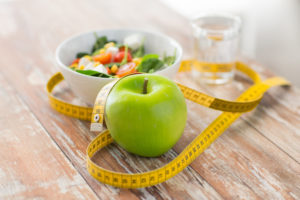
• Apples and carrots: These contain pectin, a specific fiber that physically fills your stomach and delays hunger.
By loading your plate with these fiber-rich vegetables and grains, you can practice volume eating. This means you get to eat a large, satisfying amount of food for very few calories, keeping your stomach physically stretched and signaling fullness to your brain.
Why Protein-Rich Meals Are Your Best Defense
If fiber's the anchor that slows down your digestion, protein's the engine that drives metabolic satiety. It's the most satisfying macronutrient you can eat, and there's clear science to back this up.
First, protein has a high thermic effect of food. This means your body actually has to burn more energy just to digest and process protein compared to fats or carbohydrates.
But the real power of protein's how it interacts with your hunger hormones. When you eat protein, your body suppresses ghrelin, the hormone responsible for making your stomach growl, while boosting satiety hormones like PYY and GLP-1.
In 2025, the federal nutrition guidelines underwent a major reset, with experts recommending that active adults consume 1.2 to 1.6 grams of protein per kilogram of body weight daily to maintain muscle and stay full. That's a significant step up from older, outdated recommendations.
To hit these targets and shut down hunger, prioritize these high-quality proteins:
• Eggs: Starting your day with eggs can keep you full for up to four hours, far outperforming a standard bowl of cereal.
• Greek yogurt: This is rich in slow-digesting casein protein, which provides a steady release of amino acids to your body.
• Wild-caught fish: Salmon and tuna combine clean protein with omega-3 fatty acids, which help make your brain more sensitive to fullness signals.
When you eat high-quality proteins, specific amino acids like leucine send immediate messages to your gut's nutrient sensors, telling your brain that you've had enough to eat.
Healthy Fats as the Secret Ingredient for Lasting Satiety
For decades, we were told that eating fat makes you fat. Fortunately, we've moved past that outdated mindset.
Healthy fats are absolutely needed for lasting fullness. Although protein and fiber do the heavy lifting in your stomach, fats work directly on your brain.
When healthy fats enter your small intestine, they trigger the release of cholecystokinin, a hormone that signals complete satisfaction to your brain. This is why a salad with fat-free dressing leaves you craving cookies an hour later, while a salad with olive oil and avocado keeps you going all afternoon.
To get the most out of your healthy fats, try these options:
• Avocados: These are unique because they offer a rare combination of monounsaturated fats and dietary fiber.
• Nuts and seeds: Almonds, walnuts, and chia seeds provide a crunch that slows down your eating while delivering stable energy.
• Extra virgin olive oil: Drizzling this over your vegetables helps your body absorb fat-soluble vitamins while keeping hunger at bay.
If you want the ultimate hunger-crushing snack, try combining a healthy fat with fiber. Think of apple slices with almond butter or carrots dipped in guacamole. The fiber physically fills your stomach while the fat chemically satisfies your brain.
Hydration and Mindful Eating Approaches
Sometimes, the secret to staying full isn't just what you eat, but how you eat.
Did you know that mild dehydration's often mistaken for hunger? Your brain struggles to tell the difference between the signal for thirst and the signal for food.
Drinking a glass of water before your meal helps prepare your digestive tract and makes sure you're not eating simply because you're thirsty.
Aware eating's another powerful tool. When you rush through a meal while staring at your phone or driving, your brain misses the physical cues of fullness.
Slowing down, chewing your food thoroughly, and paying attention to the textures and flavors give your gut hormones time to signal your brain that you're satisfied. It takes about twenty minutes for these signals to register, so rushing guarantees overeating.
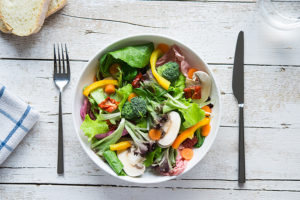
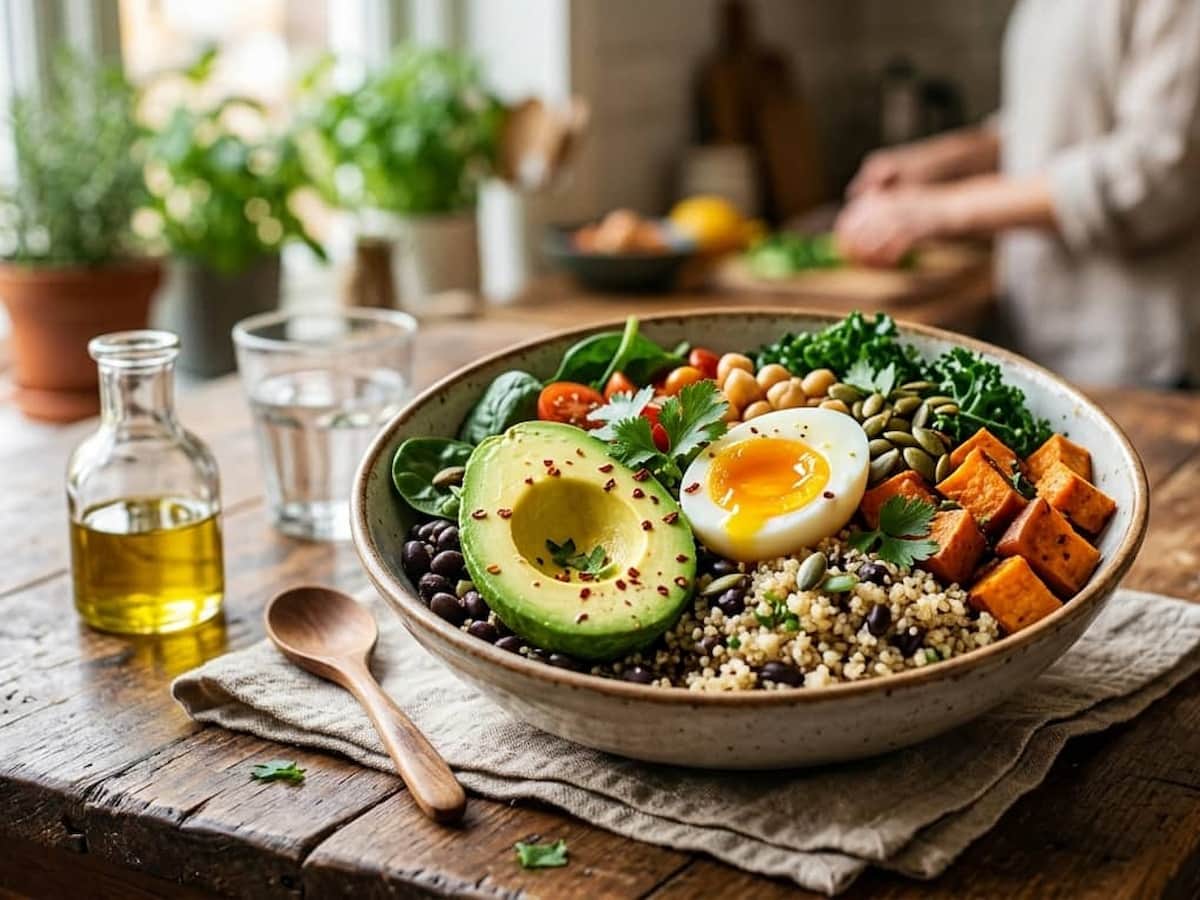
To build a plate that naturally keeps hunger away, aim for a simple formula: fill half your plate with fiber-rich vegetables, a quarter with high-quality protein, and a quarter with complex carbohydrates, then top it off with a serving of healthy fats. This simple approach makes sure you're hitting all your biological satiety markers at every single meal.
The power of this combination was proven in a 25-month weight-loss study by researchers at the University of Illinois Urbana-Champaign.³ Participants who focused on increasing both protein and fiber lost an average of 12.9% of their body weight. By combining these two pillars, they created a highly sustainable state of fullness, proving that you don't need to starve to see real results.
Sources:
1. New Food Magazine – GLP-1 users want taste, texture and satiety: Tate & Lyle reports
https://www.newfoodmagazine.com/glp-1-users-want-taste-texture-and-satiety-tate-and-lyle-reports/848279.article
2. NIHR Imperial Biomedical Research Centre – High fibre food intake promotes satiation
3. National Institutes of Health – iDip Study on Protein and Fiber
https://pubmed.ncbi.nlm.nih.gov/38316601/
*This article on ourhealthdepot.com is for informational and educational purposes only. Readers are encouraged to consult qualified professionals and verify details with official sources before making decisions. This content does not constitute professional advice.*