Natural Remedies That Have Some Scientific Support & Those That Don’t
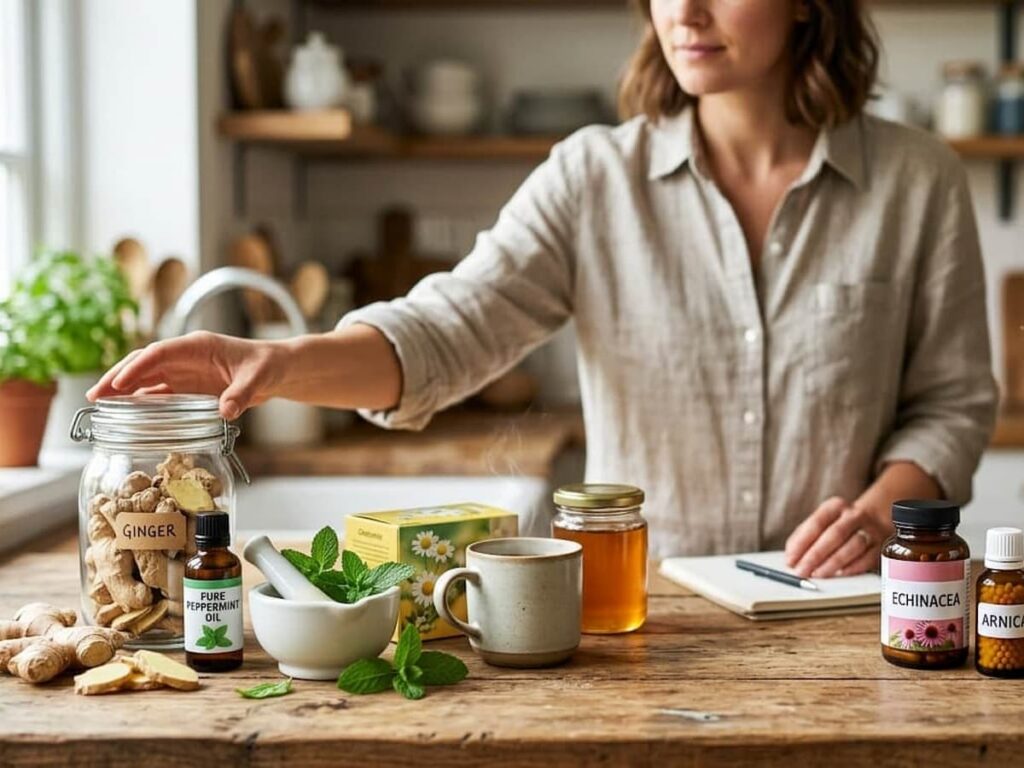


Have you noticed how your social media feed is basically a virtual apothecary these days? It seems like everyone is pushing some root, powder, or oil that promises to cure your fatigue, erase your anxiety, or make you live to one hundred. Have you been there, scrolling through endless videos of creators claiming a single herb changed their entire life?
In 2026, complete health is no longer a fringe movement. It's a massive, mainstream obsession. The global industry is valued at a staggering 196.65 billion dollars. But because dietary supplements are regulated under less stringent frameworks than prescription drugs, specifically the Dietary Supplement Health and Education Act of 1994 in the U.S., the actual science backing these products is all over the place.
So what does this actually mean for you? How do you separate the real, science-backed solutions from the expensive placebo effects? Let's take a look at the hard evidence and separate the true healers from the modern snake oil.
Natural Remedies with Strong Scientific Research
If you're skeptical about natural remedies, that's completely fair. But some plants actually do have the clinical evidence to back up their reputation.
Ginger
Ginger has transitioned from a simple kitchen spice to one of the most clinically validated natural anti-inflammatories on the planet.
Take joint pain, like. In July 2025, a randomized controlled trial published in the journal Nutrients by Texas A&M University confirmed that a low dose of specialized ginger extract, just 125 mg daily, significantly reduced key inflammatory markers. These included Interleukin-6 (IL-6), Tumor Necrosis Factor-alpha (TNF-alpha), and C-reactive protein (CRP). It also noticeably improved joint pain and functional capacity in people suffering from mild joint issues.¹
It's not just one isolated study, either. A May 2026 umbrella review of 36 meta-analyses of randomized trials confirmed that ginger consistently reduces CRP by 0.42 to 1.00 mg/L and IL-6 by 0.45 to 2.26 pg/mL. Because of this mountain of data, the European Medicines Agency formally added “mild joint pain relief” as a recognized therapeutic application for ginger in its 2025 updated assessment.
If you struggle with nausea, ginger is also a proven lifesaver. Meta-analyses spanning up to 2025 confirm that doses of 500 to 1,500 mg daily are highly effective for pregnancy-associated nausea. It has even been shown to help lower HbA1c and fasting blood glucose in patients with Type 2 diabetes.
Turmeric and Curcumin
You've probably seen golden milk and turmeric pills everywhere. The active compound in turmeric, curcumin, is a potent anti-inflammatory and antioxidant. But there's a catch.
First, the good news. An important June 2025 umbrella review of 25 intervention meta-analyses published in PMC found that curcumin has positive, statistically significant effects on lipid profiles, blood pressure, inflammatory markers, and musculoskeletal diseases like osteoarthritis and rheumatoid arthritis. Another study in January 2025 by the Universitat Oberta de Catalunya concluded that moderate curcumin consumption pre- and post-exercise significantly reduces muscle damage, alleviates soreness, and improves antioxidant capacity.
Now, the catch: bioavailability. Curcumin is notoriously poorly absorbed by the human body. Because of this, recent research in 2024 and 2025 has focused heavily on novel delivery systems like micellar media, nano-formulations, and cyclodextrin complexes to help your body actually absorb the compound. Plain turmeric powder or unformulated curcumin supplements offer very low therapeutic value compared to these advanced formulations. If you're just swallowing raw turmeric powder, you're mostly wasting your money.
Omega-3 Fatty Acids
We can't talk about heavy hitters without mentioning omega-3 fatty acids. Found abundantly in fish oil, these healthy fats have decades of solid research proving their benefits for heart and brain health. They help lower triglycerides, reduce inflammation, and support cognitive function as you age. It's one of the few supplements that mainstream cardiologists and neurologists consistently agree on.
The Gray Area of Natural Remedies
Not everything is black and white, though. Some remedies show real promise in specific scenarios, but the general wellness claims around them outpace the actual science.
CBD
Cannabidiol, or CBD, is a perfect example of a remedy stuck in the gray area.
If we're talking about severe, drug-resistant childhood epilepsy, CBD has incredibly strong clinical backing. A 2025 large-scale review of clinical trials conducted by researchers in Brazil showed that patients treated with CBD experienced an average 41.1 percent reduction in seizure frequency, compared to just 18.1 percent in the placebo group.
But what about the CBD gummies you buy at the local shop for anxiety or a good night's sleep? That's where the evidence gets shaky. A September 2025 open-label, six-week pilot clinical trial evaluated a full-spectrum sublingual CBD product at 30 mg daily. Although participants reported dramatic reductions in anxiety and improvements in sleep within one week, researchers and the FDA emphasize that these small trials lack placebo controls. We need larger, more rigorous studies to prove it actually works for everyday stress.
There are some real safety concerns, too. In August 2025, the FDA’s Center for Drug Evaluation and Research released human safety data on CBD at consumer-level doses. They warned of potential risks regarding drug interactions (via cytochrome P450 enzymes) and liver toxicity.
Echinacea
Have you ever grabbed an echinacea supplement the second you felt a tickle in your throat? You're not alone, but the science is still incredibly mixed.
A June 2025 systematic review and meta-analysis published in PubMed evaluated the efficacy of Echinacea purpurea in treating upper respiratory infections in children. It noted some potential for reducing complications like ear infections, but concluded that standardized methodologies are desperately needed before clinical recommendations can be made.
So why is the data so messy? It comes down to a lack of product standardization. Echinacea supplements vary widely depending on the species used and whether they use the roots, leaves, or the whole plant. Roughly 80 percent of commercial products rely solely on unstandardized Echinacea purpurea, leading to highly inconsistent potency and unpredictable immune-boosting effects.
Snake Oil Alerts & Remedies That Lack Scientific Support
Now, let's talk about the products that are pure marketing hype, or worse, outright dangerous.
Detox Teas
If you see a tea promising to detoxify your body, flatten your stomach, or help you drop ten pounds in a week, run the other way. These products have zero scientific support.
Let's look at the biological reality. Your body already has a fantastic, built-in system. Your liver and your kidneys, which filter 120 to 150 quarts of blood daily, perform all necessary detoxification.² No tea or supplement flushes toxins from your system.
Any immediate weight loss you experience from these teas is just temporary water weight or bowel clearance. This is driven by natural diuretics and stimulant laxatives, most notably Senna leaf.
A 2026 clinical mini-review published in PubMed analyzed diet and detox teas, concluding they offer minimal demonstrated benefit and pose meaningful health risks. Some of these documented risks include:
• Electrolyte disturbances: These can lead to muscle cramping and even dangerous cardiac issues.
• Laxative dependence: Long-term senna use damages bowel function, making your body dependent on stimulants to pass stool.
• Liver injury: High concentrations of unregulated herbs can overwork and damage your liver.
• Contamination: Analytical studies frequently find undeclared pharmaceutical ingredients and dangerously high levels of synthetic stimulants in these teas.
Homeopathic Dilutions
Homeopathy is often confused with herbal medicine, but they are not the same thing. Herbal medicine uses active plant compounds. Homeopathy, on the other hand, relies on the law of minimum dose, which involves diluting an active substance in water or alcohol over and over again.
In fact, many homeopathic remedies are diluted to the point where not a single molecule of the original substance remains. So what are you actually buying? Sugar pills or plain water.
Any benefits you feel from homeopathy are due to the placebo effect. Although the placebo effect is a fascinating psychological phenomenon that can make you feel genuinely better, you shouldn't have to pay premium prices for plain water.
Navigating Your Health Journey Safely
So, how do you protect yourself in this wild west of wellness?
Because the FDA does not approve dietary supplements for safety or efficacy before they hit the shelves, the burden of quality control falls entirely on you.³ To make sure a supplement actually contains what is on the label and is free of dangerous contaminants, you need to look for independent, third-party certification seals.
The Big Three Third-Party Certifiers
If a supplement has been verified, it will feature one of these independent stamps on its packaging:
• U.S. Pharmacopeia (USP) Verified Mark: USP conducts rigorous, annual multi-step audits. It verifies that the product contains the ingredients listed on the label in the declared potency, is free of harmful levels of contaminants like heavy metals, and will break down properly in your body. It is the top seal recommended by healthcare practitioners.
• NSF International Certified: NSF tests products against the NSF/ANSI 173 standard, the only American National Standard for dietary supplements. The specialized NSF Certified for Sport seal matters for athletes because it screens for over 280 substances banned by major athletic organizations.
• ConsumerLab.com (CL) Approved Quality Seal: Unlike USP and NSF, which manufacturers pay to audit their facilities, ConsumerLab independently purchases supplements off retail shelves and tests them in blind labs. They publish complete, consumer-facing reports detailing which brands passed or failed.
The DoD OPSS Scorecard Checklist
The U.S. Department of Defense operates Operation Supplement Safety (OPSS), which provides a quick scorecard to help you evaluate a supplement. Before buying, ask yourself these questions
1. Is there a third-party certification seal (USP, NSF, or ConsumerLab) on the label?
2. Is the label free of extreme claims like “cures” or “quick fix”?
3. Are the ingredients clearly listed, or are they hidden behind a vague “proprietary blend”?
4. Does the product avoid listing substances on the World Anti-Doping Agency banned list?
Remember, third-party certification verifies quality, purity, and label accuracy. It does not guarantee that the supplement is clinically effective for your specific health needs. Always consult a healthcare provider before starting any new supplement regimen, especially to check for potential drug interactions with your existing medications.
Sources:
1. Daily Health Leaf
Ginger for Inflammation and Pain: What 2025 Clinical Trials Found
2. Pittsburgh Post-Gazette
https://www.post-gazette.com/news/health/2025/09/27/detox-wellness-trend/stories/202509280009
3. U.S. Pharmacist
https://www.uspharmacist.com/article/determining-the-quality-of-dietary-supplements
*This article on ourhealthdepot.com is for informational and educational purposes only. Readers are encouraged to consult qualified professionals and verify details with official sources before making decisions. This content does not constitute professional advice.*