10 Herbal Supplements People Use Most (And What Research Says)
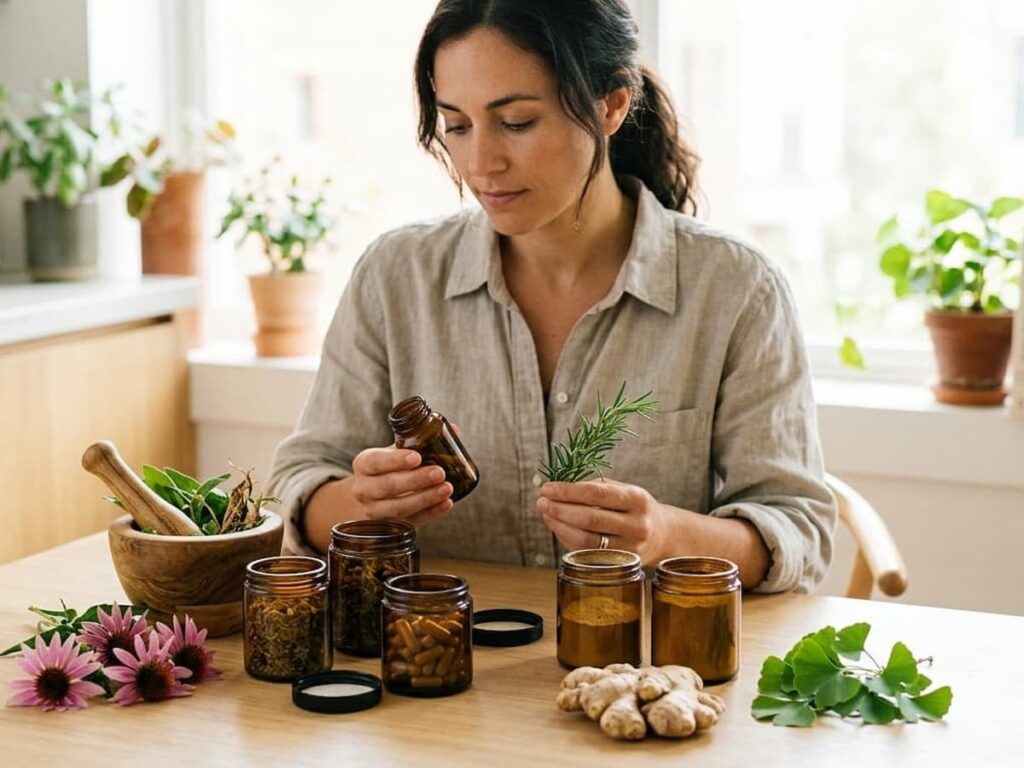

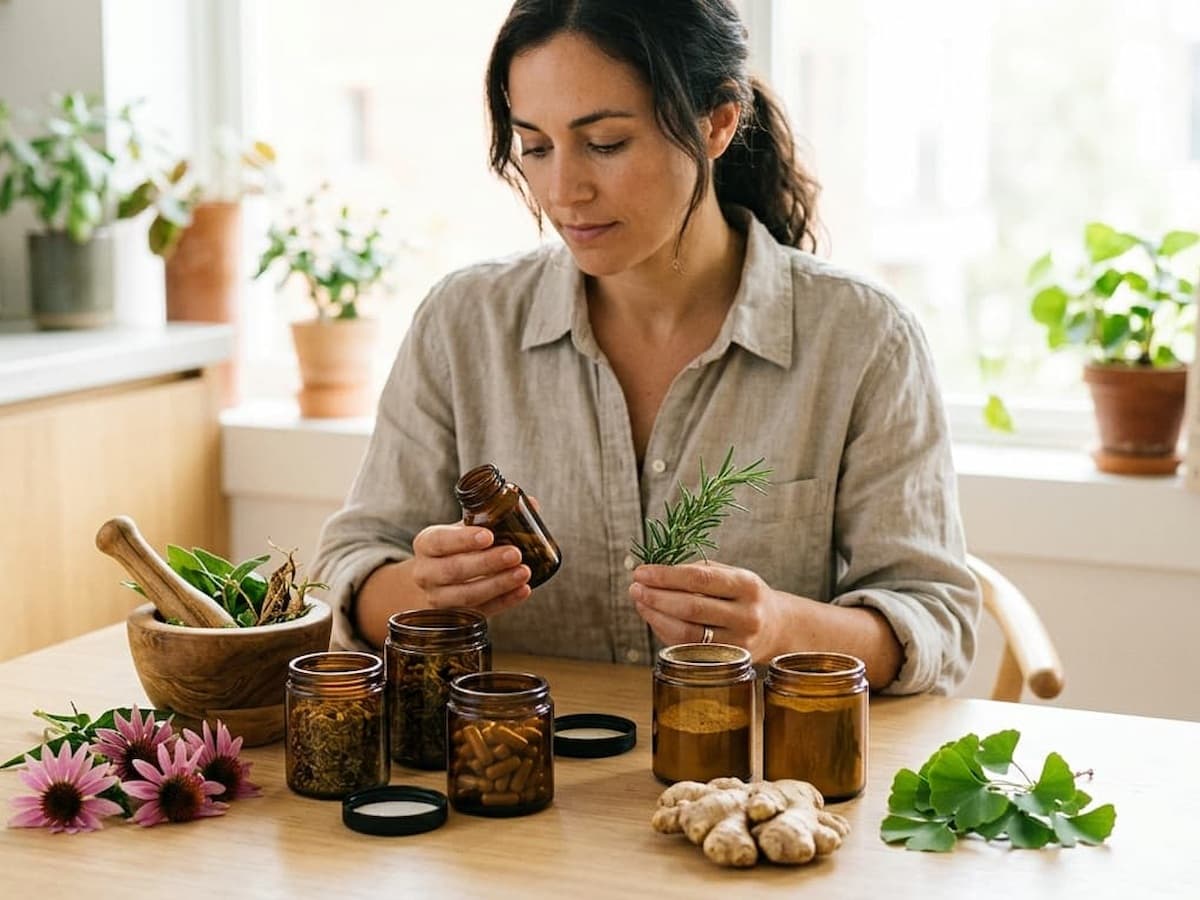
Walk down the wellness aisle of any grocery store, and you'll see shelves packed with herbal remedies. It seems like everyone is swapping their morning coffee for matcha or popping adaptogen gummies to survive the workday. Have you been there, staring at a wall of green bottles, wondering if any of it actually works?
So what does this actually mean for your health? The numbers are staggering. In the US alone, retail sales of herbal dietary supplements recently climbed to a record $13.231 billion.¹ Globally, people are buying in even faster, with the market valued at $42.33 billion and heading toward $90 billion by 2033.
A recent survey shows that 66% of consumers believe herbal supplements are safer than pharmaceutical drugs.² But is that actually true? Or are we just falling for clever marketing and pretty packaging? Let's look past the hype and see what clinical research actually says about the ten most popular herbs on the market today.
Evaluating the Top Ten Herbal Supplements
Let's break down the actual science behind the herbs taking up the most space in your medicine cabinet.
Psyllium (Plantago ovata)
• Market Context: Psyllium is the undisputed king of mainstream retail, holding the top spot for consecutive years with nearly $290 million in US sales.
• Common Uses: Constipation, diarrhea, irritable bowel syndrome, and cholesterol management.
• What the Research Says: Strong clinical evidence supports its efficacy. Systematic reviews show that psyllium husk significantly improves total and LDL cholesterol, reduces fasting blood sugar, and modestly lowers systolic blood pressure. It is a highly effective bulk-forming laxative.
• Safety Profile: Highly safe and well-tolerated. But you must take it with at least 8 ounces of water. Taking it dry or with insufficient liquid can cause choking, esophageal blockage, or severe bowel obstruction.
• Drug Interactions: Because psyllium forms a thick gel in your gut, it can trap and delay the absorption of oral medications. You must separate psyllium from other drugs by at least 2 hours.³
Turmeric and Curcumin (Curcuma longa)
• Market Context: Turmeric dominates the global market with a huge 23.95% market share. It experienced a massive surge in popularity due to viral liver detox trends on social media.
• Common Uses: Joint pain, knee osteoarthritis, systemic inflammation, and indigestion.
• What the Research Says: High-quality clinical trials confirm that curcuminoids are highly effective at reducing pain and improving physical function in knee osteoarthritis. It performs comparably to ibuprofen. For indigestion, clinical trials show curcumin works as well as the prescription drug omeprazole.
• Safety Profile: Generally safe for short-term use. But a growing clinical concern is liver injury. Several health agencies have issued safety advisories regarding liver damage linked to high-dose, highly bioavailable turmeric supplements.
• Drug Interactions: Curcumin can increase your risk of bleeding when combined with blood thinners like warfarin or aspirin. It may also reduce the efficacy of certain chemotherapy drugs and tamoxifen.
Elderberry (Sambucus nigra)
• Market Context: Elderberry remains a powerhouse in the immune-health sector, capturing an 18.9% market share in cold and flu retail segments.
• Common Uses: Cold and flu prevention, respiratory symptom relief, and immune support.
• What the Research Says: Some randomized, double-blind trials suggest that standardized elderberry extract can reduce the duration and severity of influenza and common cold symptoms by 2 to 4 days if taken within the first 48 hours of feeling sick. But regulatory agencies have cracked down on companies claiming elderberry can prevent or treat COVID-19 because there is no strong evidence for that.
• Safety Profile: Commercial, cooked elderberry syrups and gummies are safe. But raw or unripe elderberries, leaves, and stems contain cyanogenic glycosides, which release toxic hydrogen cyanide in your body, causing severe vomiting, diarrhea, and weakness.
• Drug Interactions: Because elderberry stimulates the immune system, it may interfere with immunosuppressant medications like prednisone.
Ashwagandha (Withania somnifera)
• Market Context: Ashwagandha is the fastest-growing Ayurvedic adaptogen, driven heavily by Gen Z and Millennial consumers seeking stress relief and sleep support.
• Common Uses: Chronic stress, anxiety, insomnia, and cognitive improvement.
• What the Research Says: Solid clinical evidence supports its stress-relief properties. Meta-analyses of randomized controlled trials show that daily doses of ashwagandha root extract (typically 300 to 600 mg) significantly reduce perceived stress and anxiety by lowering cortisol levels. It also shows mild benefits for improving sleep quality.
• Safety Profile: Safe for short-term use up to 3 months. Common side effects include mild stomach upset and drowsiness. It is not safe during pregnancy due to miscarriage risks, and you should avoid it if you have hyperthyroidism.
• Drug Interactions: Ashwagandha can improve the effects of sedatives, sleep aids, and alcohol, leading to severe drowsiness. It can also lower blood pressure and inhibit platelet function, meaning you should not combine it with blood thinners without talking to your doctor.
Ginseng (Panax ginseng and Panax quinquefolius)
• Market Context: Valued at over $10.7 million in combined US channels, ginseng is experiencing a resurgence due to advanced extraction techniques targeting rare active compounds for metabolic health.
• Common Uses: Fatigue, physical stamina, cognitive performance, and blood sugar regulation.
• What the Research Says: A systematic review of 19 studies found that Asian ginseng has a small but statistically significant beneficial effect on general fatigue. Some evidence suggests it improves abstract thinking and reaction times when combined with ginkgo biloba. It also shows promise in improving fasting blood glucose in prediabetic and diabetic patients.
• Safety Profile: Generally well tolerated for up to 6 months. Side effects include insomnia, headache, and stomach distress. Due to high market prices, ginseng is frequently subject to supply-chain adulteration.
• Drug Interactions: Ginseng has a major, dangerous interaction with warfarin. It reduces the drug's blood-thinning effect and increases the risk of blood clots. It can also cause dangerously low blood sugar when combined with diabetes medications.
Green Tea Extract (Camellia sinensis)
• Market Context: Highly popular in weight-loss, fat-burner, and energy supplements.
• Common Uses: Weight management, metabolic support, and antioxidant protection.
• What the Research Says: The active ingredients, combined with caffeine, can modestly increase your metabolic rate and fat oxidation. It also reduces LDL cholesterol by a small margin. But weight-loss effects are generally minimal and unsustainable without diet changes.
• Safety Profile: Although drinking brewed green tea is exceptionally safe, concentrated Green Tea Extract in pill form is a well-documented cause of severe liver injury.
• Drug Interactions: Green tea extract can drastically reduce the absorption and efficacy of important cardiovascular drugs, such as nadolol (a beta-blocker) and lisinopril. It also binds to iron supplements, preventing your body from absorbing them.
Ginkgo Biloba
• Market Context: Ginkgo remains a staple for cognitive health, used by approximately 2% of the US adult population.
• Common Uses: Memory improvement, dementia, tinnitus, and peripheral vascular disease.
• What the Research Says: Clinical data is highly mixed. Several long-term trials show that standardized ginkgo extract modestly stabilizes or improves cognitive functioning in patients with mild-to-moderate dementia. But large-scale trials have shown that ginkgo does not prevent dementia or improve memory in healthy, young adults.
• Safety Profile: Generally safe, with mild side effects like headache, dizziness, and stomach upset. Raw ginkgo seeds are highly toxic and must be avoided.
• Drug Interactions: Ginkgo poses a severe bleeding risk. It contains compounds that prevent blood clotting. It interacts dangerously with aspirin, warfarin, and ibuprofen. You must stop taking ginkgo 2 to 3 weeks before any surgery.
Saw Palmetto (Serenoa repens)
• Market Context: A top-selling botanical for men's health, widely marketed for prostate support and hair loss.
• Common Uses: Benign Prostatic Hyperplasia symptoms like frequent urination, weak stream, and hair loss.
• What the Research Says: Although it has immense popularity, high-quality scientific evidence is weak. A landmark clinical trial published in JAMA concluded that even double and triple doses of saw palmetto extract were no more effective than a placebo in reducing urinary symptoms.
• Safety Profile: Excellent safety profile. Side effects are rare and mild, primarily consisting of minor headaches or stomach upset.
• Drug Interactions: Saw palmetto has a low likelihood of drug interactions. But because it may have mild blood-thinning effects, use caution if you take anticoagulants. It may also interfere with hormone therapies.
Milk Thistle (Silybum marianum)
• Market Context: Milk thistle experienced a major sales increase in US natural channels, fueled by the wellness industry's focus on detoxing and liver health.
• Common Uses: Liver support, cirrhosis, hepatitis, and gallbladder disorders.
• What the Research Says: The active antioxidant complex in milk thistle, silymarin, has shown anti-inflammatory properties in laboratory settings. But human clinical trials are mixed. Although some studies show modest improvements in liver enzymes in patients with fatty liver disease, high-quality clinical evidence proving that it can detox your liver or cure liver disease is lacking.
• Safety Profile: Highly safe with a very low incidence of side effects.
• Drug Interactions: Generally safe to take with most medications. But at very high doses, it can increase blood levels of certain drugs, such as the blood pressure medication losartan.
Echinacea (Echinacea purpurea / angustifolia)
• Market Context: A classic, long-standing immune supplement with annual US sales consistently surpassing $100 million.
• Common Uses: Prevention and treatment of the common cold and upper respiratory infections.
• What the Research Says: Clinical trials show that echinacea is ineffective at preventing colds. But meta-analyses suggest that if taken at the very first sign of symptoms, echinacea provides a modest benefit, reducing the duration of a cold by about 1.5 days.
• Safety Profile: Well-tolerated for up to 6 months. It can cause mild stomach upset or temporary rashes. Avoid it if you are allergic to the daisy family, including ragweed and marigolds.
• Drug Interactions: Echinacea can slow down the breakdown of caffeine, leading to increased jitteriness, headaches, and rapid heart rate. It can also increase blood levels of certain muscle relaxants.
What the Science Actually Says
Why is there such a massive gap between what supplement labels promise and what clinical trials prove? The reality of clinical research is complicated.
Many herbal studies rely on cell cultures or animal models. When those same herbs are tested on actual humans, the results often disappear.
There is also the issue of correlation versus causation. If you start taking a supplement and your joint pain improves, you might credit the herb. But was it the herb, or was it the natural cycle of your symptoms, a change in the weather, or the placebo effect? This is why scientists rely on peer-reviewed meta-analyses instead of personal success stories.
Safety First: Navigating Risks and Interactions
The most dangerous assumption you can make in wellness is that natural means safe. Plants are full of active chemical compounds. In fact, many modern pharmaceuticals are derived from plants.
When you take a concentrated herbal supplement, you are taking a drug. And just like prescription drugs, herbs can clash with other substances in your body.
Like, taking ginkgo biloba with your daily aspirin could lead to dangerous internal bleeding. Mixing green tea extract pills with your heart medication could cause your treatment to fail. Always talk to your doctor before adding anything new to your routine, especially if you take prescription medications.
If you are looking for high-quality, verified supplements, here are a few tested options to consider.
Taking Charge of Your Supplement Routine
Supplements should do exactly what their name suggests: supplement your health, not replace a balanced lifestyle. No pill can undo the effects of poor sleep, chronic stress, or a highly processed diet.
If you decide to try an herbal supplement, look for products that undergo third-party testing. Organizations like USP, NSF International, or ConsumerLab test products to make sure that what is on the label is actually what is in the bottle.
Taking ownership of your health means being an important consumer. By prioritizing evidence over marketing, you can make choices that truly support your body.
Sources:
1. US Sales of Herbal Supplements Increase
https://www.herbalgram.org/news/press-releases/2025/us-sales-herbal-supplements-2024-increase
2. Herbs and Botanicals Report
https://store.newhope.com/product/reports-list/herbs-and-botanicals-report
3. Psyllium Husk Drug Absorption Timing
*This article on ourhealthdepot.com is for informational and educational purposes only. Readers are encouraged to consult qualified professionals and verify details with official sources before making decisions. This content does not constitute professional advice.*