Understanding High Blood Pressure Causes, Risks, and Prevention

Imagine walking around with a ticking time bomb inside your chest, completely unaware of its existence. That's not a dramatic movie setup. It's the reality for hundreds of millions of people right now.
We're talking about hypertension, the medical term for high blood pressure. It's one of the biggest global health priorities of our time, yet it's widely known as the silent killer. Why? Because it rarely shows symptoms. You can feel perfectly fine, full of energy, and still have blood pressure high enough to damage your blood vessels daily.
Recent data show that an estimated 1.4 billion adults worldwide have hypertension, which is about a third of the global adult population.¹ Shockingly, about 44% of those people don't even know they have it, and only 23% have it under control.¹ Taking control of your cardiovascular health early is not just a good idea; it's a necessity to protect your future.
Unmasking the Culprits: What Causes High Blood Pressure?
So what actually causes this silent pressure build-up? To understand it, we have to look at how blood pressure works. Think of your circulatory system as the plumbing in your house. If the pipes get clogged or the pump pushes too hard, the pressure rises.
Doctors divide hypertension into two main categories
• Primary hypertension: This is the most common type, developing gradually over many years with no single, clear cause.
• Secondary hypertension: This type appears suddenly and is caused by an underlying medical condition, such as kidney disease or thyroid problems.
For most of us, primary hypertension is the main concern, and it's heavily driven by lifestyle. High sodium intake is a major culprit because excess salt makes your body hold onto water, putting extra strain on your blood vessels. Physical inactivity and chronic stress also keep your nervous system in a constant state of high alert, which keeps your blood pressure elevated.
Of course, you can't control everything. Genetics and age play massive roles. In the United States, nearly half of all adults have hypertension.² More than 71% of U.S. adults aged 60 and older are affected.² As we age, our blood vessels naturally lose their elasticity, making them stiffer and more resistant to blood flow. But knowing your family history and understanding these risks gives you the power to act before the damage starts.
The Risks and Why Your Numbers Matter
Why should you care about a few numbers on a screen? Because those numbers tell the story of your internal organs. When your blood pressure is consistently high, it forces your heart to work much harder to pump blood. Over time, this extra workload damages the delicate inner lining of your arteries.
This damage opens the door to severe, life-threatening complications:
• Heart attacks and strokes: Stiff, narrowed arteries can clog easily or rupture, cutting off blood flow to your heart or brain.
• Heart failure: Your heart muscle thickens to cope with the extra pressure, eventually becoming too weak to pump efficiently.
• Chronic kidney disease: The tiny blood vessels in your kidneys get damaged, which can lead to kidney failure and the need for dialysis.
Recent medical guidelines released by major cardiovascular societies, including the American Heart Association and the European Society of Cardiology, highlight even more reasons to pay attention.³ These updates shift the focus from isolated numbers to your overall cardiovascular risk. They place a massive emphasis on how high blood pressure directly causes cognitive decline, vascular dementia, and Alzheimer's disease. Aggressive blood pressure control matters to protect your brain health as you age.
The guidelines also point out that high blood pressure during pregnancy is an important risk factor that requires immediate monitoring to prevent preeclampsia and long-term heart issues. This is why regular screenings are so important. You can't manage what you don't measure, and catching high numbers early prevents irreversible damage to your key organs.
Proactive Prevention and Approaches for a Healthier Heart
The good news is that you have immense power to change your trajectory. Lifestyle modifications are the foundation of preventing and managing high blood pressure. You don't have to overhaul your entire life overnight, but small, consistent changes make a massive difference.
Here are the most effective, evidence-based approaches to protect your heart:
• The DASH diet: This eating plan focuses on fruits, vegetables, whole grains, and low-fat dairy. It's low in saturated fats and can lower your systolic blood pressure by up to 11 mmHg.
• Sodium reduction and potassium substitutes: Aiming for less than 1,500 milligrams of sodium per day is a game-changer. Using potassium-based salt substitutes, if you don't have kidney disease, is another proven way to drop those numbers.
• Regular physical activity: Getting at least 150 minutes of moderate exercise, like brisk walking or cycling, every week keeps your heart strong and efficient.
• Weight management: If you're carrying extra weight, losing just one kilogram (about 2.2 pounds) can lower your systolic blood pressure by about 1 mmHg.
• Quitting tobacco and limiting alcohol: Smoking and vaping damage your blood vessels instantly, so quitting is non-negotiable. Limit alcohol to one drink a day for women and two for men.
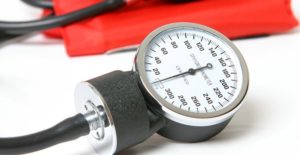
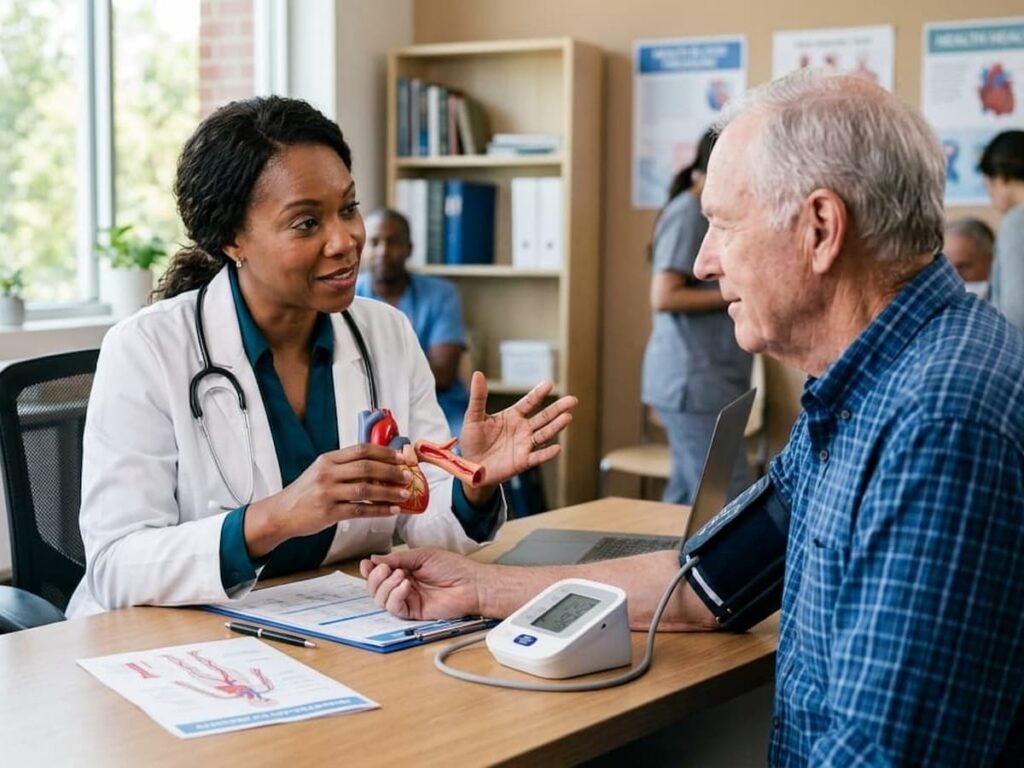
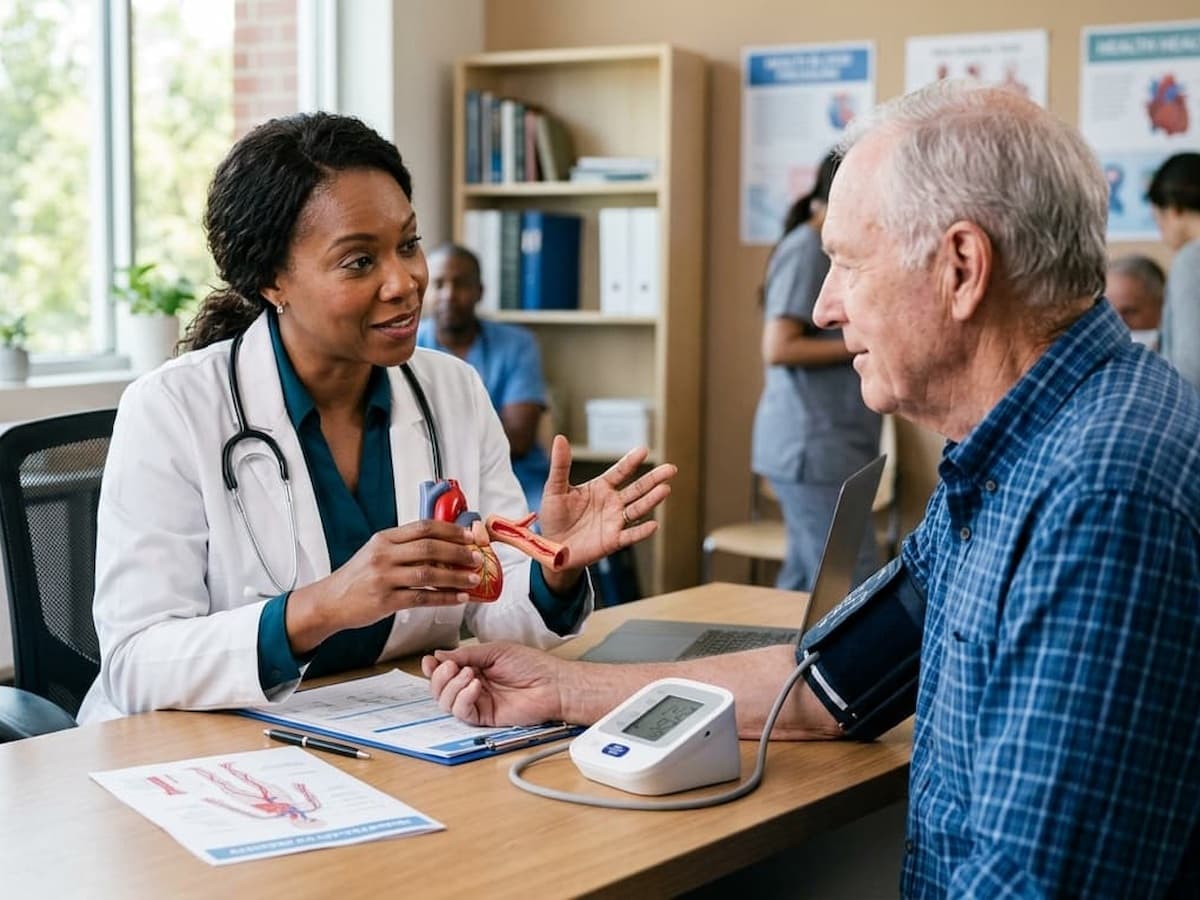
Beyond lifestyle, how you monitor your blood pressure matters. Relying only on the doctor's office can lead to white-coat hypertension, where stress makes your reading spike at the clinic, or masked hypertension, where it looks normal at the clinic but is high at home. That's why current guidelines mandate using Home Blood Pressure Monitoring (HBPM). Tracking your numbers at home gives your doctor accurate, real-world data to make the best decisions for your health.
To help you get started on your heart health journey, here are some of the most effective tools and resources available today.
Helping Your Future Self
Managing high blood pressure isn't an impossible task, and it's definitely not an inevitable part of getting older. It's a highly manageable condition, and you have the tools to take control of your story.
The latest clinical guidelines have shifted the focus toward your overall cardiovascular risk rather than just looking at isolated numbers.³ This means your doctor will look at your complete health profile, including your kidney function and blood sugar, to create a personalized plan. Whether that plan involves lifestyle changes, single-pill medication combinations to make treatment easier, or a mix of both, the goal is to protect your long-term wellness.
Don't wait for a wake-up call in the form of a medical emergency. Talk to a healthcare professional, start monitoring your blood pressure at home, and take that first step toward helping your future self today. Your heart will thank you for it.
Sources:
1. World Health Organization – Uncontrolled high blood pressure puts over a billion people at risk
https://www.who.int/news/item/23-09-2025-uncontrolled-high-blood-pressure-puts-over-a-billion-people-at-risk
2. Centers for Disease Control and Prevention – High Blood Pressure Facts
https://www.cdc.gov/high-blood-pressure/data-research/facts-stats/index.html
3. American Heart Association – New high blood pressure guideline emphasizes prevention, early treatment to reduce CVD risk
https://newsroom.heart.org/news/new-high-blood-pressure-guideline-emphasizes-prevention-early-treatment-to-reduce-cvd-risk
*This article on ourhealthdepot.com is for informational and educational purposes only. Readers are encouraged to consult qualified professionals and verify details with official sources before making decisions. This content does not constitute professional advice.*